

Sustainable Materials Driving Industrial Transformation
Sustainable materials now play a crucial role in industrial transformation as companies shift to cleaner and greener production methods. Today, factories rely on sustainable materials, embrace green manufacturing, and explore eco-friendly production to cut waste and boost efficiency.
Industries also invest in sustainable material technology that improves durability and performance. This shift helps India align with global industrial sustainability benchmarks and strengthens competitiveness across supply chains.
Why Sustainable Materials Matter in Industrial Manufacturing
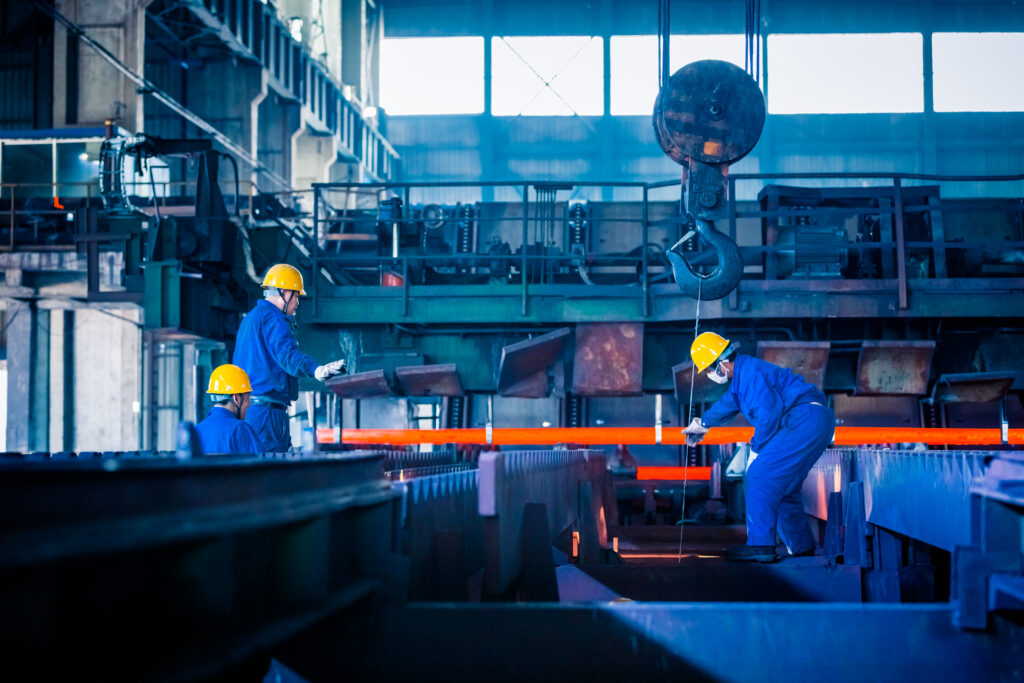
Industrial manufacturing relies on materials that influence cost, energy efficiency, and environmental impact. Because sustainability is now a priority, companies prefer sustainable materials that support cleaner production. Moreover, these materials reduce dependency on non-renewable sources and improve the durability of components used in machine tools, automation, robotics, and gear technology.
As industries grow, global clients demand stronger environmental responsibility. Therefore, adopting green manufacturing practices becomes not just a trend but a strategic move. With this shift, manufacturers gain higher efficiency, stronger brand trust, and better alignment with global sustainability standard
Key Types of Sustainable Materials Transforming Industry
Bio-Based Materials in Modern Production
Bio-based materials now play a major role in green manufacturing. They offer strength, reliability, and lower carbon footprints. Furthermore, many industrial units use these materials in packaging, insulation, and lightweight machine parts.
Recycled Metals in High-Precision Manufacturing
Recycled materials such as steel, aluminum, and copper now support CNC machining, gear production, and automation components. Because they require less processing energy, they reduce emissions and cut operating costs.
High-Performance Composites for Efficiency
Advanced composites help industries build stronger components with less weight. As a result, machine tools, robotic arms, and automation systems gain better efficiency while using fewer resources.
How Sustainable Materials Improve Manufacturing Efficiency
Sustainable materials support better thermal stability, greater durability, and improved energy efficiency. Consequently, factories achieve smoother operations with fewer breakdowns. This advantage becomes vital in industrial segments such as gear manufacturing, robotics, and precision engineering.
Additionally, sustainable materials help manufacturers reduce waste at every stage. Because they support longer product life cycles, companies save money on replacements and maintenance. This improvement boosts return on investment, which encourages industries to adopt greener options quickly.
Role of Technology in Advancing Green Material Adoption
Automation and Robotics Supporting Material Efficiency
Automation systems help reduce material waste by improving accuracy. Moreover, robotics enable consistent processes that improve resource usage and reduce errors.
Digital Twins for Material Optimization
Digital twins allow companies to simulate material performance before actual production. Thus, factories avoid waste and select the best sustainable option.
Industrial IoT for Real-Time Material Tracking
Industrial IoT sensors help monitor energy use, temperature, and waste levels. Therefore, managers gain insights that improve material efficiency and reduce environmental impact.
Challenges and Opportunities in Sustainable Material Adoption
Although sustainable materials offer benefits, industries still face challenges. Some materials cost more due to limited availability. Yet, as demand grows, costs will decrease. Another challenge is the need for training. However, this creates opportunities for skilling programs across MSMEs and large industrial clusters.
Additionally, global companies now support supply chain sustainability through collaboration and innovation. Firms like Siemens, Bosch, and ABB provide solutions that help manufacturers shift toward cleaner processes. These partnerships encourage Indian industries to adopt greener materials while improving long-term competitiveness.
The Future of Sustainable Materials in Industrial Manufacturing
The future of industrial manufacturing will be shaped by sustainable materials, improved research, and wider global alignment. Furthermore, innovations in bio-based materials, recycled materials, and advanced composites will redefine machine tools, automation systems, and gear technology.
As manufacturers invest in greener options, they strengthen resilience and reduce operational risks. Therefore, green manufacturing will continue to drive growth, stability, and competitiveness across global supply chains.
Sustainable materials will continue shaping the future of industrial manufacturing as companies pursue efficient, responsible, and long-lasting solutions. Therefore, industries that adopt green materials early will gain stronger performance and global trust. Because this shift supports both environmental and economic goals, it stands as the key driver of future-ready green manufacturing.
