
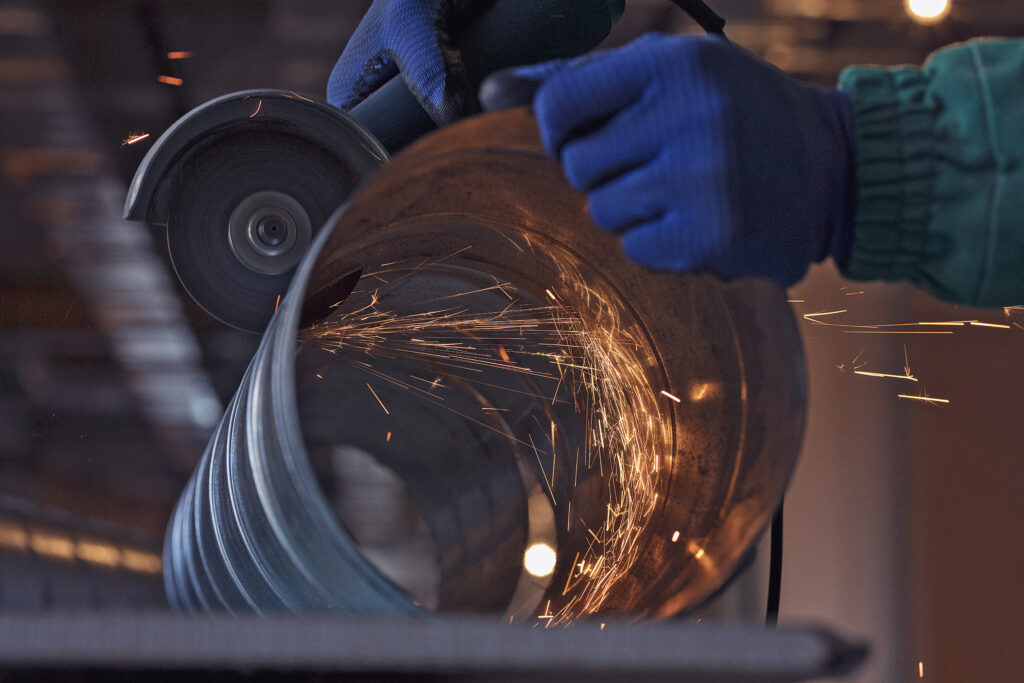
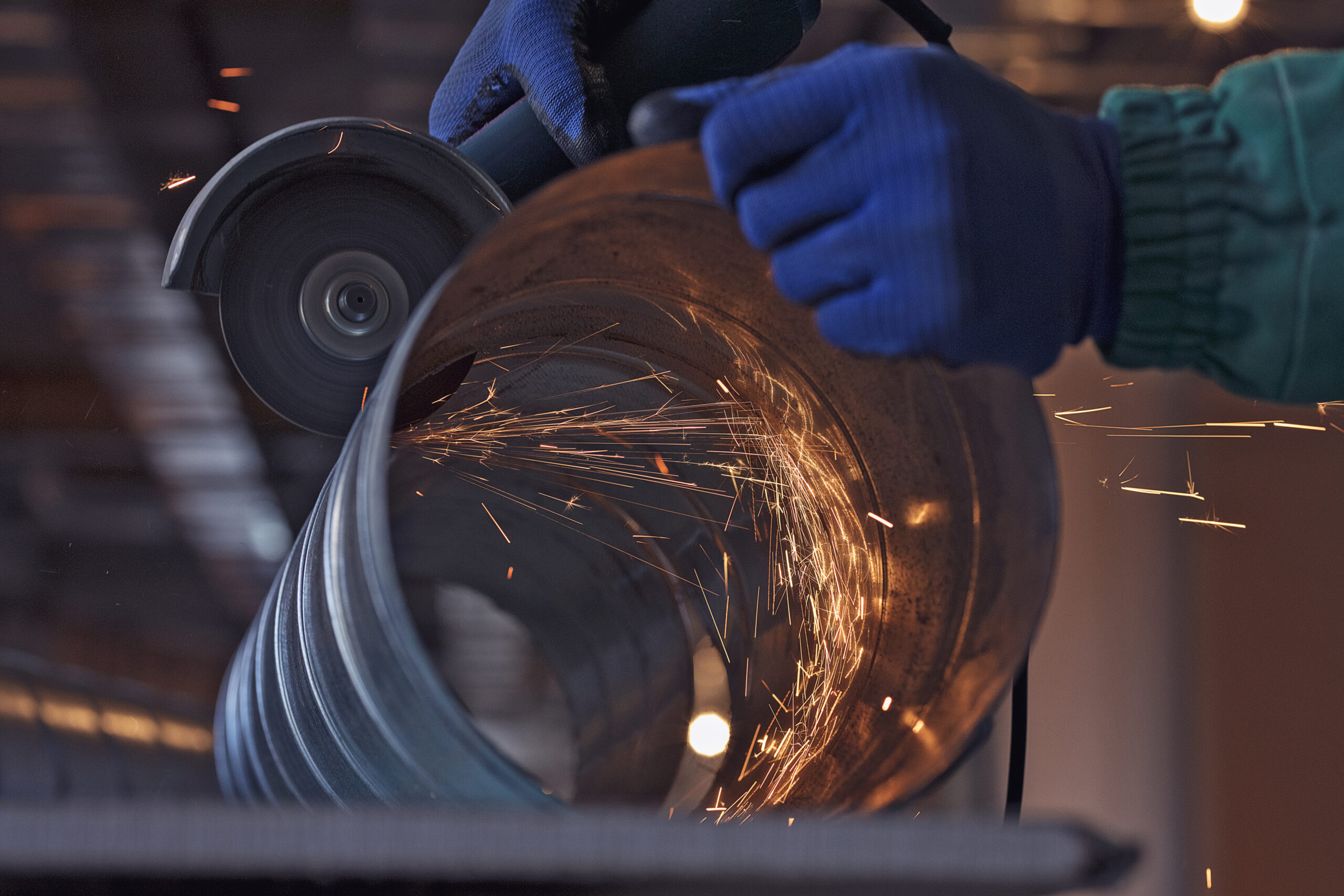
Machine tools and cutting tools are essential components of modern manufacturing, enabling industries to shape, form, and finish materials with precision and efficiency. They support large-scale production by improving accuracy, consistency, and overall productivity in various sectors such as automotive, aerospace, machinery, and electronics.
Introduction
Machine tools and cutting tools form the backbone of industrial machining. Machine tools provide the motion and mechanical power required to shape raw materials, while cutting tools perform the actual material removal with accuracy. Together, they allow manufacturers to create high-quality components with precise dimensions, smooth finishes, and reliable performance. These tools play a vital role in achieving high productivity and meeting the ever-growing demands of modern manufacturing.
Main Content
Machine tools come in various forms, including lathes, milling machines, drilling machines, grinding machines, and CNC systems. Each machine serves a specific purpose: lathes are used for turning operations, milling machines shape complex surfaces, drilling machines create holes, and grinding machines provide fine finishing. CNC machines have further transformed machining by offering automated cutting with exceptional precision and repeatability.
Cutting tools are equally important, as they perform the actual cutting, shaping, and finishing of materials. These tools include single-point tools used on lathes, multi-point tools used for drilling and milling, carbide inserts for high-speed machining, and specialized tools like end mills, drill bits, reamers, taps, and dies. The proper selection of cutting tools helps improve tool life, reduce production time, and maintain consistent product quality.
Machine tools and cutting tools are widely used to manufacture mechanical parts, prepare components for assembly, and create detailed shapes with tight tolerances. They enable industries to handle both simple and complex machining tasks while improving efficiency and reducing manual errors.
Challenges
Despite their importance, machine tools and cutting tools present certain challenges. The cost of advanced machines and high-quality tooling can be expensive, making investments difficult for smaller manufacturers. Cutting tools wear out over time and require frequent replacement to maintain precision. Skilled operators are needed to run sophisticated machines, and regular maintenance is essential to ensure accuracy and safety. Additionally, operating high-speed machines without proper training can create safety risks in the workshop.
Future Scope
The future of machine tools and cutting tools is strongly connected to technological advancements such as CNC automation, AI-based monitoring, and Industry 4.0 integration. Smart machining systems will be able to monitor tool conditions in real time, predict wear, and optimize performance automatically. Cutting tools will continue to evolve with advanced coatings and materials that improve durability and efficiency. Fully automated machining lines and robotic integration will further enhance speed, accuracy, and reliability, leading to more sustainable and intelligent manufacturing systems.
Conclusion
Machine tools and cutting tools remain the foundation of precision manufacturing. They make it possible to produce high-quality components with speed, accuracy, and consistency. As technology advances, these tools will continue to improve, enabling industries worldwide to achieve higher productivity, reduced downtime, and superior product quality. They will play a crucial role in shaping the future of modern manufacturing.